Dual-targeting EVs and Colonoid Model for Inflammatory Bowel Disease
Inflammatory bowel disease (IBD) is characterized by excessive immune activation in the gut.
We developed dual-engineered EVs that combine PD-L1–mediated immune checkpoint regulation with microRNA-based metabolic control, leading to reduced Th1/Th17 responses and enhanced Treg function. Validation in patient-derived colonoids confirms effective inflammation control while preserving intestinal integrity.
Therapies for Graft-versus-host Disease
Discovery of therapeutic strategies for complications of allogeneic HSPC transplantation.
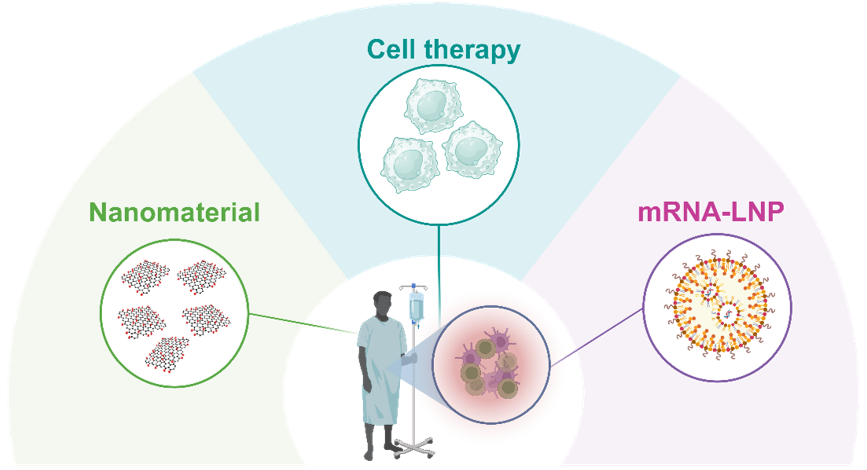
We are conducting research to discover therapeutics for graft-versus-host disease (GVHD), a complication of allogeneic hematopoietic stem cell transplantation (allo-HSCT), utilizing immunomodulatory nanomaterials, cell therapies, and mRNA technology.
Engineering iPSCs for Efficient Red Blood Cell Production
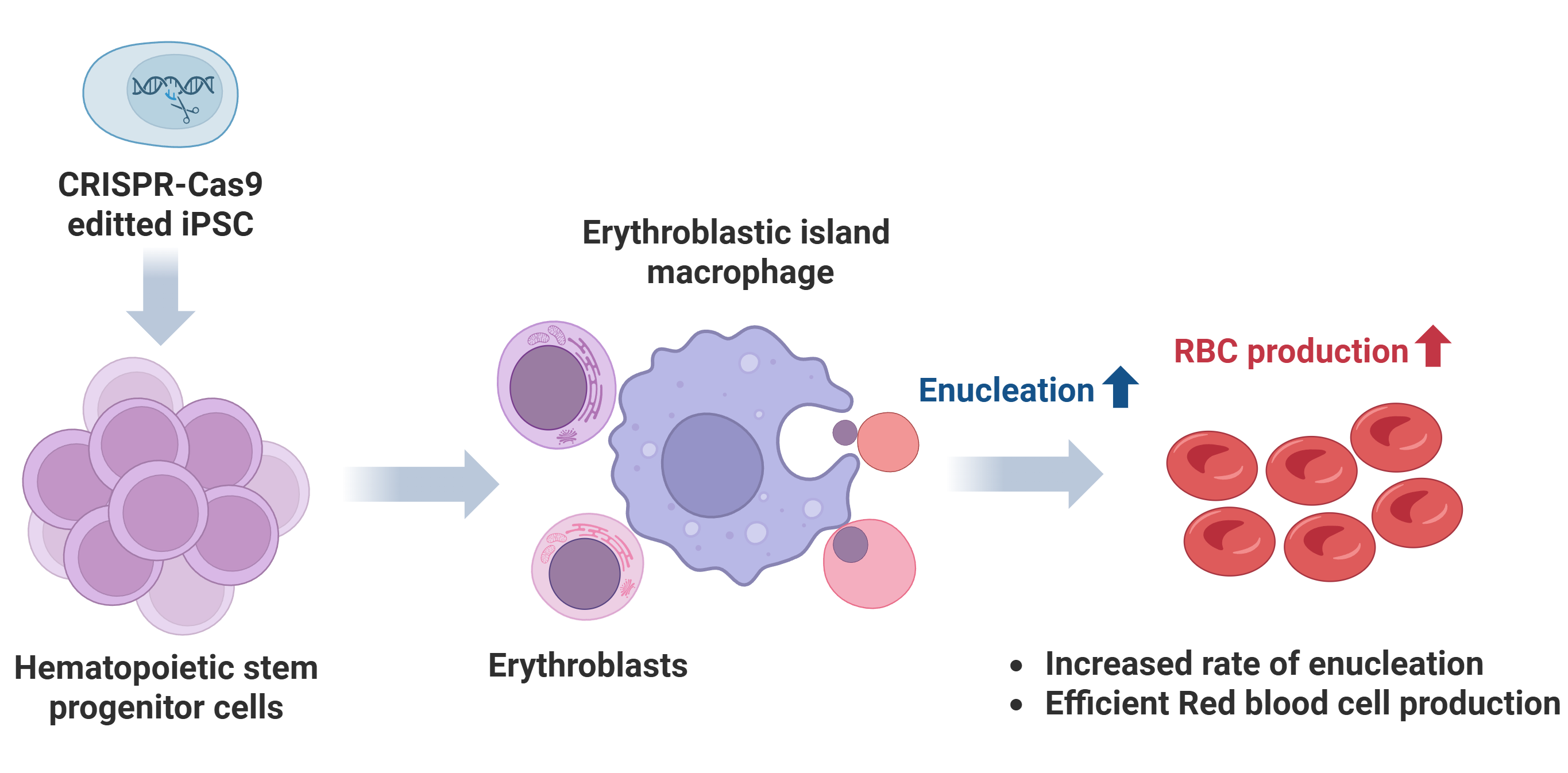
We develop CRISPR-guided strategies to generate functional hematopoietic stem cells (HSCs) from induced pluripotent stem cells (iPSCs).
By reconstituting erythroblastic islands ex vivo using iPSC-derived EBI macrophages and erythroblasts, we aim to enable efficient and scalable red blood cell production.
Multi-species Organoid Models for Advanced Bio-Research
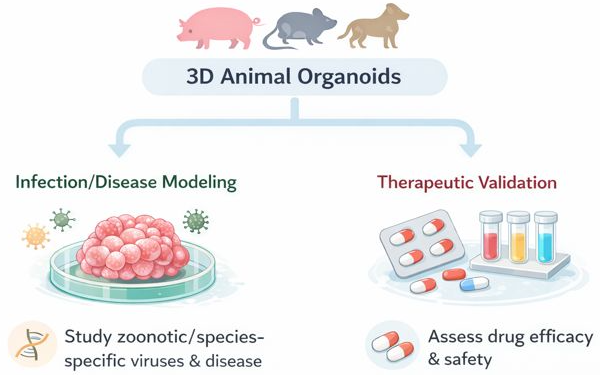
Our laboratory specializes in developing sophisticated 3D animal organoid platforms to overcome the limitations of traditional 2D cell culture. By utilizing organoids derived from pigs, mice, and dogs, we provide a versatile research platform for:
1. Infection/Disease modeling: specialized platforms for studying zoonotic/species-specific viruses and disease.
2. Therapeutic validation: Accelerating the transition from drug discovery to preclinical evaluation through precise efficacy and safety assessments.